

Textiles and the making of Dubai
Fabric helped build this city. From the creek-side souks to a re-export hub serving half the world, the textile trade remains one of Dubai’s great commercial stories.
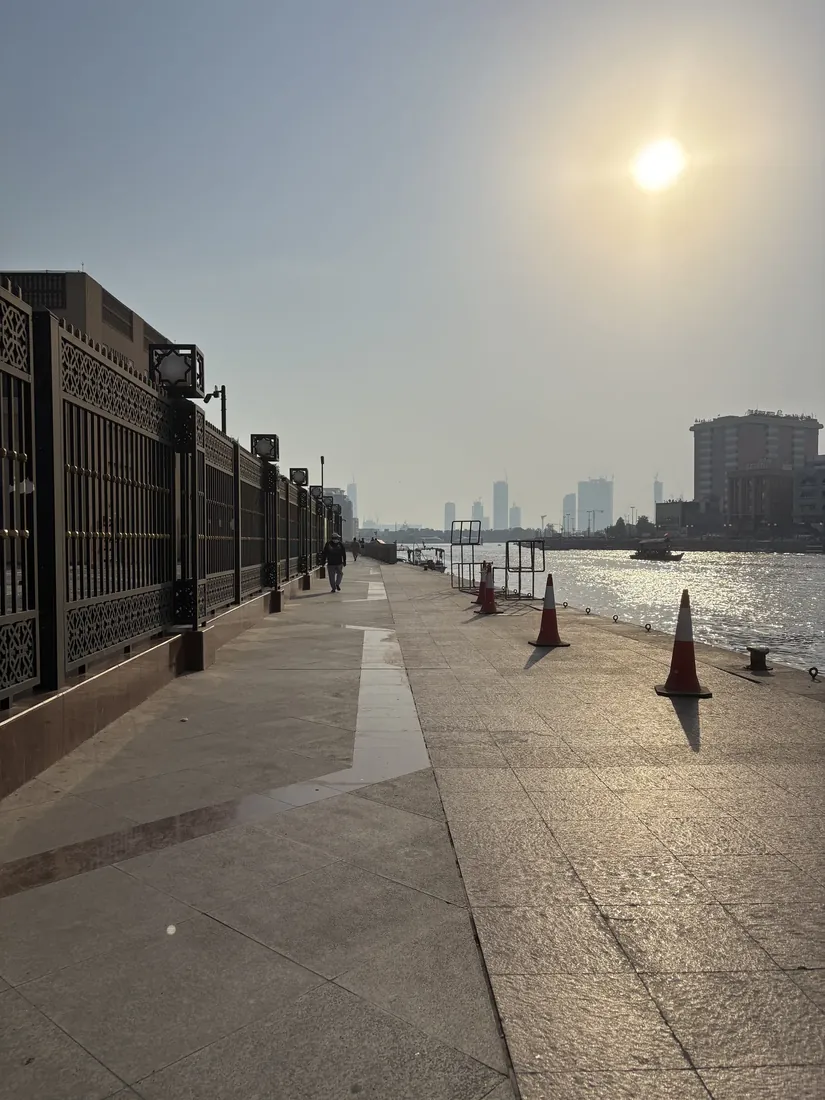
Long before the skyline, there was the cloth. Merchants trading textiles across the Gulf were among the first to recognise Dubai’s potential as a place from which to do business with the wider region — and they grew with the city, turning a creek-side market town into a global trading hub.
By the 1980s a small market town had become an important regional business destination; by the 1990s, Dubai was the major business hub for the MENA region. The textile trade grew in step — at the opening of Dubai Textile City it was worth around AED 8.8 billion a year, the emirate’s second-largest trade after hydrocarbons.
Estimates put the total textile trade at nearly AED 20 billion by 2019, providing direct and indirect employment to some 50,000 people. Textiles are an essential commodity, and Dubai is well placed to serve a region stretching from South Africa to the CIS and from West Africa to Asia.
Three decades of the trade.
TEXMAS is founded — the apex body of Dubai's wholesale textile merchants.
Dubai Textile City opens: a purpose-built free-zone hub for the trade.
The trade reaches nearly AED 20 billion, supporting ~50,000 jobs.
460+ member firms, trading across 45+ countries from one floor.
From bridal silk to abaya cloth
Dubai’s merchants deal in the full spectrum of cloth — naturals and synthetics, fashion and furnishing, everyday shirtings and the finest occasion fabrics.